
Hear from Our Customers
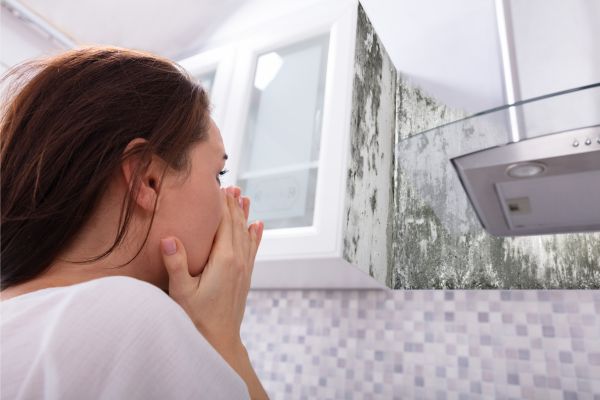
You’ve noticed the musty smell. Maybe someone in your house can’t stop coughing, or you’re seeing discoloration on the walls after that pipe leak last month. You need to know if it’s actually mold, where it’s hiding, and how bad it really is.
That’s what professional mold testing does. It identifies the type of mold, measures spore levels in your air, and pinpoints exactly where moisture is feeding the problem. Not a sales pitch disguised as an inspection—actual testing with lab results you can use.
Here’s what changes after a proper mold assessment: you stop wondering if that smell is dangerous. You know whether your kids’ allergies are tied to something growing in the HVAC system. You have documentation for insurance claims or real estate transactions. And if there’s a problem, you know the scope before anyone starts tearing into your walls.
In Bucks County, where humidity regularly tops 70% in summer, mold doesn’t need much time. It can start growing within 24 hours of water exposure. The longer you wait to test, the more it spreads—and the more expensive removal becomes.
We’ve been handling mold problems across Bucks County, Montgomery County, and the Lehigh Valley for years. We’re not a franchise following a corporate script. We’re local, we know how Pennsylvania homes are built, and we’ve seen what happens when humidity meets old basements and crawl spaces.
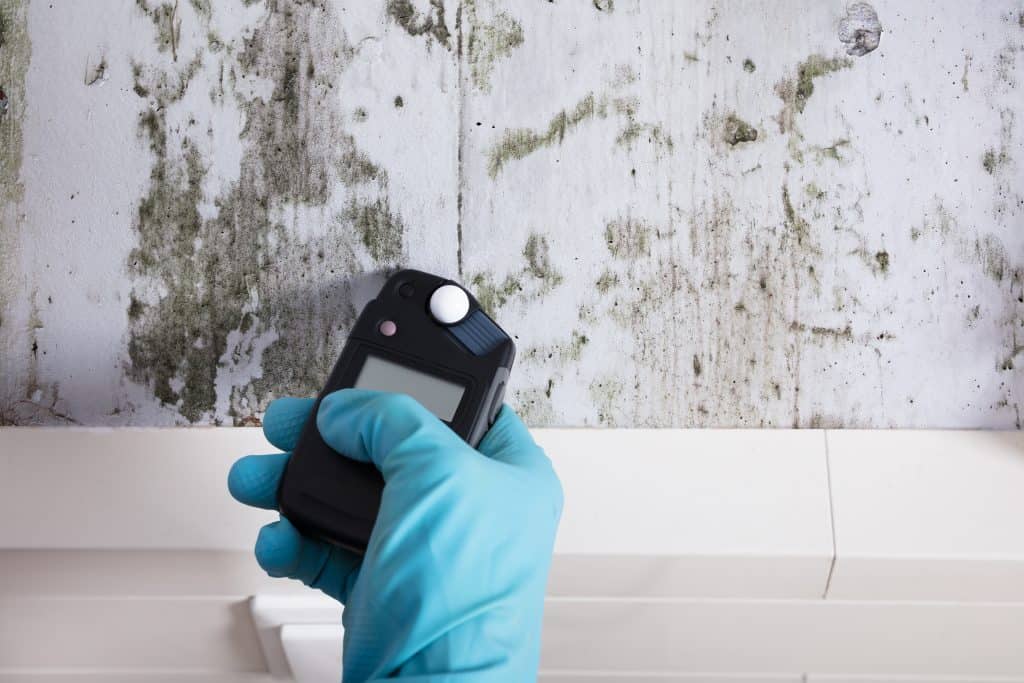
Our inspectors are certified and trained to use moisture meters, air quality sensors, and infrared cameras that detect problems you can’t see. We don’t walk through your house and immediately recommend $10,000 in remediation. We test first, send samples to an independent lab, and give you results before we talk about solutions.
You’re not hiring someone who profits from finding problems. You’re hiring someone who tells you what’s actually there. If it’s not mold, we’ll say so. If it is, we’ll show you exactly where and what needs to happen next.
First, we walk through your property and talk about what you’ve noticed—odors, water damage, health symptoms, visible growth. We’re looking for the obvious stuff, but also the hidden areas where mold loves to grow: behind drywall, under flooring, inside HVAC systems, around windows.
Then we use detection equipment to measure moisture levels and temperature. High moisture is mold’s best friend, and infrared cameras let us see where water is hiding inside walls or ceilings. We take air samples from different rooms to measure spore counts, and if there’s visible growth, we collect surface samples too.
Those samples go to an independent lab for analysis. You get a report that identifies mold types, spore concentrations, and whether levels are elevated compared to outdoor air. We review the results with you in plain language—no jargon, no upselling.
If mold is present, we explain what’s causing it, how serious it is, and what your options are. If you need remediation, we can handle it. If it’s minor enough for you to address yourself, we’ll tell you that too. The goal is accurate information, not a sales pitch.
Ready to get started?
Every mold testing service includes a thorough visual inspection of your property, moisture mapping with professional-grade meters, air quality sampling from multiple areas, and surface sampling if we find visible growth. We check the places most homeowners miss—attics, crawl spaces, behind appliances, inside ductwork.
In Little Italy and throughout Bucks County, we see the same patterns: older homes with basement moisture issues, newer construction with poor ventilation, and properties that had water damage from storms or plumbing failures. Pennsylvania’s humid summers create perfect conditions for mold, especially in homes with inadequate airflow or previous water intrusion.
Your inspection includes lab analysis from a certified third-party facility. That’s important—it means the results aren’t tied to whether we get hired for remediation. You receive a detailed report showing mold species identified, spore counts per cubic meter of air, and comparison to normal outdoor levels. We also provide photos, moisture readings, and a written summary of findings.
We offer free initial inspections because you shouldn’t have to pay just to find out if you have a problem. If testing is needed, we’ll explain what it costs upfront—no surprises, no pressure. And if your situation is urgent, we’re available 24/7 for emergency response.
You need testing if you smell persistent musty odors, see visible discoloration or growth, recently had water damage, or someone in your home is experiencing unexplained respiratory issues. You also need it before buying or selling a property, or if you’re filing an insurance claim related to water damage.
Here’s the thing: mold spores are invisible. You can’t see them floating in your air, and by the time you see visible growth, the problem has usually been developing for weeks. Testing gives you actual data about what’s in your air and on your surfaces—not just a visual guess.
If you’ve had any water intrusion in the last year—leaking roof, burst pipe, flooding, even persistent condensation—there’s a good chance mold started growing within 24 to 48 hours. Testing finds it before it becomes a major remediation job. Small problems caught early might cost $500 to $1,500 to fix. Wait until it’s spread through your HVAC system or behind multiple walls, and you’re looking at $6,000 or more.
An inspection is visual—we walk through your property looking for signs of mold, moisture problems, and conditions that promote growth. Testing goes further: we collect air and surface samples and send them to a lab for analysis. You get specific identification of mold types and spore concentration levels.
Most people need both. The inspection tells us where to look and what conditions exist. The testing tells us what’s actually growing and how severe the contamination is. Some companies do a visual inspection and immediately start selling you on remediation. That’s backwards.
Testing first means you know exactly what you’re dealing with before anyone starts cutting into walls or quoting five-figure jobs. It also gives you documentation for insurance claims and proof that remediation was successful after the work is done. In Pennsylvania, where about 50% of homes have conditions that can lead to mold growth, testing removes the guesswork and gives you facts.
The on-site inspection and sample collection typically takes one to two hours, depending on your property size and how many areas we’re testing. We’re thorough but efficient—we’re not going to disrupt your entire day.
Lab analysis usually takes three to five business days. The lab is identifying mold species, counting spores, and comparing your indoor air quality to outdoor baseline levels. That process can’t be rushed if you want accurate results.
Once we receive the lab report, we schedule a time to review it with you. We’ll walk through what was found, what it means for your health and property, and what your options are. If the results show elevated mold levels or toxic species like black mold, we’ll explain the severity and recommended next steps. If levels are normal, we’ll tell you that too—and help you understand what might be causing any symptoms or odors you noticed.
Yes. Lab testing identifies specific mold species, including Stachybotrys chartarum—the type commonly called black mold. The lab report will show exactly what types of mold are present and in what concentrations.
Black mold gets a lot of attention because it can produce mycotoxins that cause serious health problems, especially for people with asthma, allergies, or compromised immune systems. But here’s what most people don’t know: the color of mold doesn’t tell you the species. Plenty of black-colored molds aren’t Stachybotrys, and some toxic molds aren’t black at all.
That’s why testing matters. Visual identification isn’t enough. You need lab analysis to know if what’s growing in your home is actually dangerous or just unsightly. According to the EPA, about 21% of asthma cases may be linked to mold exposure. If you’ve got kids, elderly family members, or anyone with respiratory issues in your home, knowing exactly what type of mold you’re dealing with isn’t optional—it’s necessary.
We offer free initial inspections to assess your situation. If testing is recommended, costs depend on how many samples we need to collect and analyze. A basic residential mold test with air sampling typically ranges from a few hundred dollars to around $500, depending on the size of your home and number of areas tested.
That’s significantly less than what you’ll pay if you skip testing and go straight to remediation you might not need. We’ve seen too many homeowners get quoted $10,000+ for mold removal when testing would have shown the problem was minor or didn’t exist at all.
Testing also protects you on the back end. If you do need remediation, you’ll have baseline data showing contamination levels before work begins. After remediation is complete, post-testing confirms the job was done right and your air quality is back to normal. That documentation matters for your health, your property value, and any insurance or legal situations. In Bucks County’s humid climate, where mold can return if moisture issues aren’t fully addressed, having that proof is worth every penny.
You can buy a home mold test kit, but it won’t give you the same information as professional testing. Most DIY kits just tell you that mold spores are present—which is true in virtually every home. They don’t tell you what type of mold, how much is there, or whether levels are actually dangerous.
Professional testing uses calibrated equipment to collect precise air samples, measures spore counts per cubic meter, and compares your indoor levels to outdoor baseline readings. We also use moisture meters and infrared cameras to find hidden growth you’d never detect with a surface swab kit.
The bigger issue is interpretation. Even if a home kit identifies mold, you still need to know if it’s a health risk, where it’s coming from, and what’s causing it to grow. That requires experience and equipment most homeowners don’t have. If you’re serious about protecting your family and your property value—especially in an area like Pennsylvania where humidity and older home construction create ongoing mold risk—professional testing is the only way to get reliable answers you can actually act on.
Other Services we provide in Little Italy